

Key Takeaways
- Teeth whitening lightens enamel by breaking down stain molecules, not by removing enamel.
- Professional whitening works fastest, while at-home kits and custom trays offer gradual, controlled results.
- Temporary sensitivity and mild gum irritation are the most common side effects.
- Whitening does not change the colour of crowns, veneers, or fillings.
- Deep intrinsic stains (like from medication or trauma) may not fully respond to whitening.
- The safest approach is dentist-supervised whitening or a trusted at-home kit used as directed.
- Avoid staining foods/drinks for 48–72 hours after treatment for the best long-term results.
- People with cavities, gum disease, severe sensitivity, or worn enamel should consult a dentist before whitening.
- Maintenance, good oral hygiene, occasional touch-ups, and stain-avoiding habits is essential for lasting brightness.
- Aligner32 whitening works best when used consistently and strategically, especially after completing alignment.
Your smile can make a major impact on how you feel and how others feel about you. It’s almost unbelievable how stains can show up on your teeth. It starts with one cup of coffee, a glass of wine, or just a little bit of curry, and before you know it, your teeth have gone from being white and bright to not so white anymore.
There is no magic involved when whitening teeth. The whitening process is simply science. This guide will explain how the teeth-whitening process works, the risks, options, and how to perform the process safely.
What Teeth Whitening Targets
Whitening teeth sounds simple, but the actual process is a little more complicated than that. It’s about lightening the enamel’s color by lifting stains from within and on the surface. Imagine your enamel as a slightly translucent shell; stains settle into it with years of drinks, snacks, genetics, and life. Whitening treatment clears out those stubborn pigments.
Some stains come from espresso, dark chocolate, or the chai you swear you’ll quit but never do. Others rise from smoking, aging, or medications. Even pure genetics plays a small but rude part.
But whitening teeth doesn’t do everything. Tooth bleaching doesn’t affect crowns, veneers, or fillings. If you’ve got a front tooth veneer that’s slightly yellower than you’d like, whitening won’t touch it. Same for deep intrinsic stains, especially Tetracycline discoloration. Bleaching teeth can help, but not always transform.
Still, the teeth whitening procedure remains one of the most popular cosmetic dental treatments because, when it works, it works beautifully.
And yes, Aligner32’s whitening products sit in this category too, not the extreme, dentist-strength ones, but the kind designed for gentle, safe, at-home lightening while you maintain oral hygiene routines more consistently.
How Teeth Whitening Works
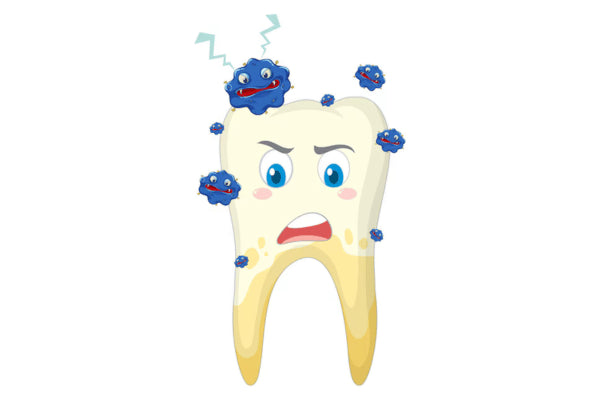
Understanding the whitening teeth process feels complicated at first, but it actually isn’t. Think of it as a mix of chemistry, timing, and a bit of patience. Some parts are surprisingly straightforward. Others… well, they’re more technical, but still approachable once you break them down.
Before diving into gels, trays, or fancy lights, it helps to know what’s happening inside the tooth itself. Because whitening treatment isn’t just “removing yellow.” It’s working with the structure of enamel, slipping into microscopic pores, and gently shifting the molecules that create stains.
Once you understand that foundation, everything else, whether it’s professional teeth whitening treatment or teeth whitening at-home kits, starts to make a lot more sense.
The Science of Bleaching Agents & Tooth Enamel
Here’s where things get fun. Or maybe a little nerdy.
Most whitening gels use peroxide-based agents: hydrogen peroxide or carbamide peroxide. These aren’t the villains people fear. They’re actually quite controlled. They penetrate the enamel and break down stain molecules through oxidation. Think of it as tiny oxygen bubbles lifting stains bit by bit.
The teeth whitening process doesn’t scrub your enamel away. It doesn’t thin your teeth. Done properly, it simply dissolves the compounds causing discoloration. That’s why professional teeth whitening tends to work fast; it uses stronger, highly targeted forms of these agents.
And this is exactly why Aligner32 whitening gel is formulated in moderate, balanced strengths. Not aggressive, not weak, just steady enough to brighten gradually with lower irritation risk.
Main Whitening Methods
Teeth whitening procedures fall into three categories, each with its own attitude, speed, and outcome.
In-Office Professional Whitening
This is the fast lane. You sit in the dental chair; the dentist applies a strong whitening gel and shields your gums with a protective barrier. Sometimes a light or laser activates the gel. Sometimes it’s not necessary. Either way, results are noticeable within 30–60 minutes. Some people even see a jump of 6-8 shades lighter.
It’s controlled, efficient, but it’s not the cheapest. However, it’s the fastest whitening treatment if you’re after instant gratification.
At-Home Whitening Kits / Custom Trays
These feel more relaxed, done over days or weeks. Companies like Aligner32 give you professional results without going out of the house and at a fraction of the price of in-office whitening treatments. Custom trays distribute gel evenly, which is why people love them.
This route suits people who want gradual whitening results. These easy-to-use at-home kits are calibrated, slow-and-steady, safe for repeated use, and ideal for people who want professional-grade results but from the comfort of their home.
Over-the-Counter Whitening Products
Strips, pastes, gels, rinses. The mildest of the bunch. Some lift light stains; others maintain results after a stronger treatment. They’re simple, accessible, and good for mild discoloration.
They don’t transform, but they do maintain your results from professional whitening.
Maintaining Your White Smile
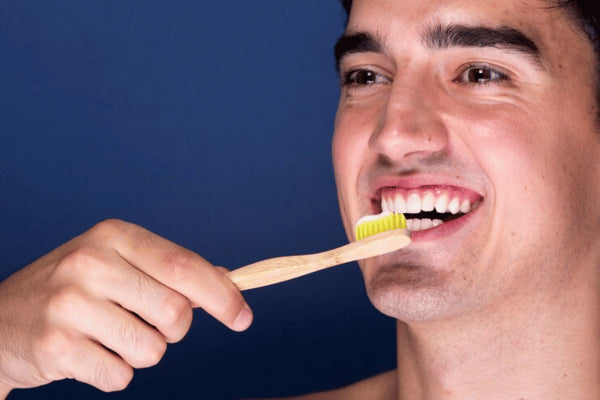
Once you've achieved a bright, white smile through whitening, it's important to take steps to maintain it. Here are some tips:
Practice Good Oral Hygiene
Brush your teeth twice a day for two minutes each time, and floss daily.
Limit Staining Foods and Drinks
Avoid or moderate your consumption of coffee, tea, red wine, and other stain-causing substances.
Use a Whitening Toothpaste
Consider using a whitening toothpaste to help maintain your results and remove surface stains.
Schedule Regular Dental Cleanings
Regular professional cleanings can help remove plaque and buildup that can contribute to staining.
Consider Touch-up Treatments
Over time, teeth can naturally stain again. You may want to consider occasional touch-up treatments with at-home whitening products or consult your dentist for professional whitening options.
Realistic Outcomes & Limitations
Here’s where honesty matters. Most people brighten several shades. Some go from dull yellow to a clean, creamy white. Others get subtle refinement. It depends on:
- Your natural tooth colour
- Enamel thickness
- Stain depth
- Lifestyle habits
- The type of whitening treatment you choose
Intrinsic stains, those caused by trauma, aging, and medication, may lighten slightly but rarely vanish. Whitening teeth can only go so far.
Dental restorations don’t change color. If your fillings match your pre-whitened shade, they may end up looking darker afterward. That’s why many dentists advise whitening first, then doing cosmetic work.
Aligner32 takes that same philosophy. Our whitening kit is meant to give people realistic brightness, not fake, overdone results. Not every smile is meant to be Hollywood bright. Some look best with gentle brightness, a clean look, and a natural shade.
And yes, results fade if you go back to strong coffee or cola, or constant staining agents. Maintenance matters.
Things to Know before You Start
Whitening isn’t dangerous, but it isn’t risk-free either. Tooth sensitivity is the most common side effect. You take a sip of cold water, and suddenly you feel a lightning bolt in your molar. Annoying, but temporary.
Gum irritation can happen if the gel touches soft tissue. Usually with ill-fitting trays or DIY overload.
Overuse is the real concern. Too much bleaching of teeth can irritate tooth nerves, weaken enamel, or cause long-term sensitivity. Chasing “brighter, brighter, more, more” is not a game you want to play.
And some stains don’t respond, no matter how many times you whiten. Medication-induced intrinsic staining, aging-related dentin darkening, trauma-induced discoloration—these may need veneers or bonding instead.
This is why Aligner32’s whitening approach is moderate, not extreme. It's built around consistency and safety, not harsh blasting.
Best Practices to Whiten Teeth Safely
Always do a dental exam first. Whitening over cavities is like pouring lemon juice over a cut. Painful and pointless.
After clearance, choose your method:
- Want fast? In-office treatment.
- Want affordable but effective at-home kits like Aligner32.
- Want maintenance with OTC strips or pastes.
Tip: Follow instructions properly. People think leaving gel longer means better results. Not true. Longer exposure can irritate gums, teeth, and nerves. If sensitivity appears, try desensitizing toothpastes. Fluoride rinses help strengthen enamel, too.
It is recommended to pair whitening with alignment only after treatment ends. Because even teeth mean even whitening. And uniform whitening means better smile symmetry.
Special Considerations: Who Should Be Cautious
Some people need extra care.
- Sensitive enamel
- Exposed roots
- Gum recession
- Worn enamel
- Lots of fillings or crowns
- Existing cosmetic dentistry
- History of sensitivity
If this is you, whitening teeth products should be gentle and ideally dentist-guided.
Intrinsic discoloration doesn’t always respond. If your stains come from childhood medication, genetics, or dental trauma, prepare for subtlety, not shockingly white results. And avoid the temptation to whiten too often. Over-whitening becomes addictive for some but enamel doesn’t regenerate. Once it thins, it stays thin. Don’t chase ice-white perfection.
Combining Whitening with Other Treatments: What to Keep in Mind
If you’re planning restorative work, crowns, veneers, or bonding, always whiten first. Imagine whitening after bonding. Suddenly, the bonded tooth looks like a darker square on a lighter wall. Not ideal.
If you’re using clear aligners, here’s a fun thing: some brands allow whitening during alignment. Aligner32, for example, suggests considering whitening after alignment for the most even results, especially if your teeth overlapped before. Shadows and overlaps can make whitening uneven. Post-alignment whitening solves that.
If you smoke or drink staining beverages, set up a maintenance routine.
Whitening Done Right: What to Expect & How to Stay Smart
Teeth whitening can completely transform how you feel about your smile. A patient, careful, and thoughtful approach to teeth whitening will ultimately determine your level of success. Teeth whitening is a safe procedure when you respect the process and take care of your enamel, and do not overdo it.
If you want a whiter smile, you have options. An in-office treatment from your dentist that will remove the toughest stains, or the Aligner32 at-home whitening kit for a gradual and gentle process. When properly performed, the results of teeth whitening will be long-lasting, help boost confidence, and develop the habit of gentle routine care.
Getting a brighter smile is easily achievable if you know how to follow a safe method and follow good aftercare.
FAQs
1. Are there any negative side effects to teeth whitening?
Yes. The most common are temporary tooth sensitivity and mild gum irritation. These usually fade within a few days.
2. Are there downsides to professional teeth whitening?
It can cause short-term sensitivity, it’s more expensive, and results may not work on deep intrinsic stains or restorations.
3. What is the safest way to whiten your teeth?
Whitening under a dentist's supervision or using a dentist-approved at-home kit. Always follow instructions and start with a dental checkup.
4. What are the different teeth whitening options?
In-office whitening, dentist-provided take-home trays, over-the-counter strips/gels, whitening toothpaste, and LED whitening kits.
5. Who should not do teeth whitening?
People with untreated cavities, gum disease, extremely sensitive teeth, worn enamel, pregnancy/breastfeeding, or heavy dental restorations.
6. Can teeth whitening damage gums?
It can if the gel touches the gums or the trays don’t fit properly. Irritation is usually mild and temporary when corrected.
Citations:
Citations:
Fries, W. C. (2023, November 15). Teeth whitening: How it works and what to expect. WebMD. https://www.webmd.com/oral-health/teeth-whitening-and-bleaching
Watson, K. (2022, June 6). How does teeth whitening work? Healthline. https://www.healthline.com/health/how-does-teeth-whitening-work
Carey, C. M. (2014). Tooth whitening: What we now know. Journal of Evidence-Based Dental Practice, 14, 70–76. https://doi.org/10.1016/j.jebdp.2014.02.006
Originality Report: https://member.originality.ai/home/scan/40970679


